Why Restaurants Waste So Much Food (And What They Can Do About It)
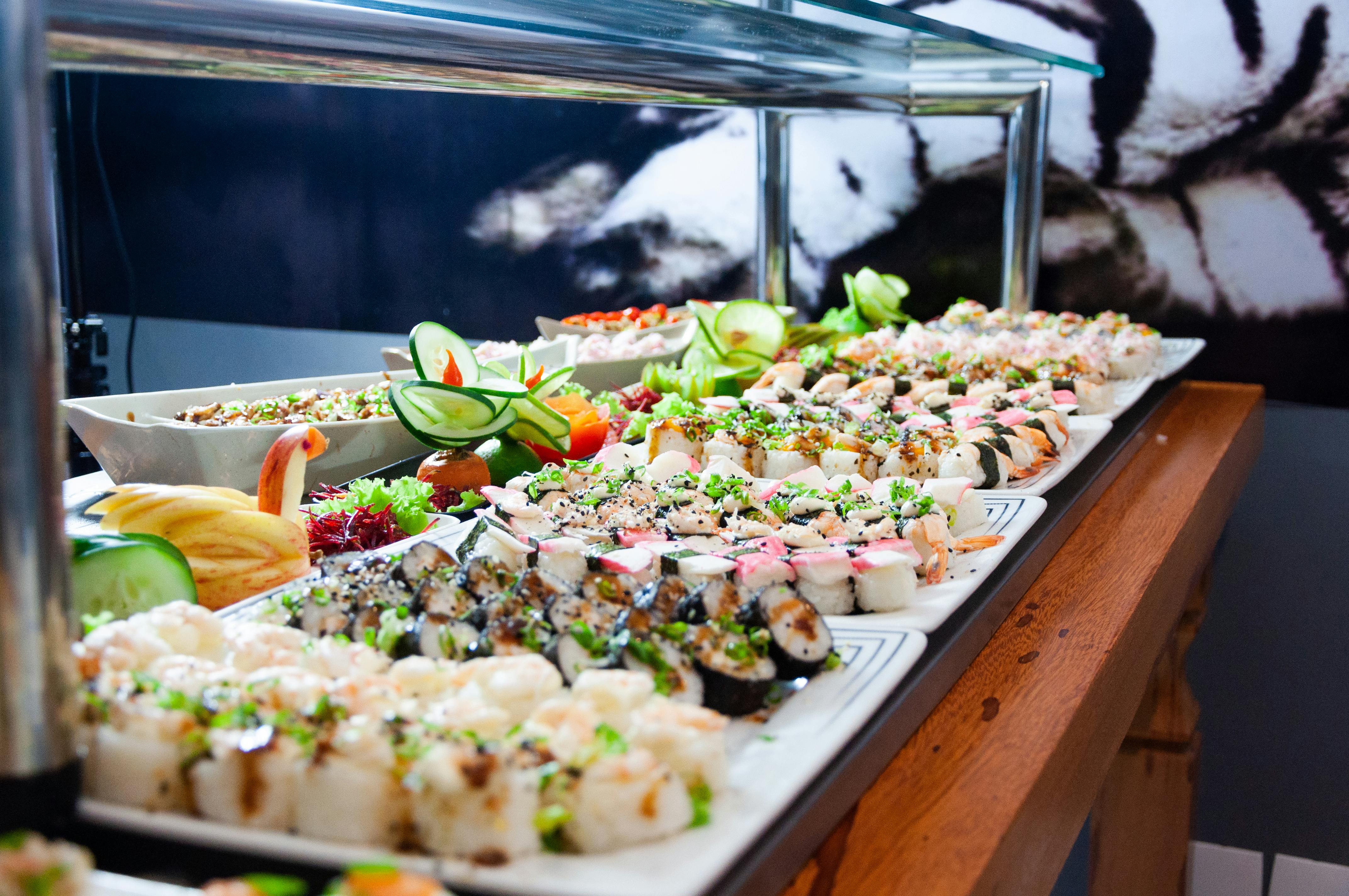
Ask any restaurant operator about food waste and you will generally hear one of two responses: either they know it is a significant problem and feel stuck on how to address it, or they have convinced themselves it is smaller than it actually is.
Overproduction is the main culprit
A common assumption is that most restaurant food waste comes from ingredients going bad in storage. In reality, the larger issue is overproduction: food that is prepared for service but not ordered. Kitchens prep in bulk because demand fluctuates and running out of a popular dish is considered worse than having leftovers.
The incentive structure pushes towards over-preparing. A restaurant that runs out of its signature dish loses a sale and potentially a customer. A restaurant that over-prepares just absorbs a cost. That cost is often not tracked carefully enough to change behaviour.
The problem with "prep to order"
Some restaurants address overproduction by prepping less and relying on mise en place that can be assembled to order. This works well for certain cuisines and menus, but it is not universally applicable. Caribbean cuisine in particular often involves dishes with long preparation times where having a ready supply is essential for service speed.
Bakeries face an even more acute version of this problem. Bread and pastries baked in the morning are either sold by closing or wasted. There is no "keep it for tomorrow" option for fresh baked goods. The entire daily output is time-sensitive.
Plate waste versus kitchen waste
There are two distinct sources of food waste in a restaurant: kitchen waste, which is the surplus from preparation and unsold prepared food, and plate waste, which is food left by customers. Both matter, but they require different responses.
Plate waste is harder to address without changing menu design or portion sizes, which carries its own risks. Kitchen waste, particularly unsold prepared food, is the more tractable problem because it is concentrated at a specific point in the day and the operator has full information about what is available.
Practical approaches that work
The most effective operators tend to combine a few approaches. Better forecasting, using historical sales data to predict demand more accurately, reduces the amount over-prepared in the first place. End-of-day family meals, where staff eat surplus before closing, address some of the remainder. Food donation to local charities or food banks handles another portion.
Surplus food platforms like Last Bite address the final category: food that is good, presentable, and worth selling but that the restaurant cannot place through its normal channels before closing. The platform creates a market for that specific product at the specific moment it exists.
The financial case
Food is typically the largest single variable cost for a restaurant, often representing 28-35% of revenue. A 10% reduction in food waste does not translate to a 10% reduction in food cost, because some waste is unavoidable. But even a modest reduction in avoidable waste shows up in margin.
For a restaurant doing $500,000 in annual revenue with a 32% food cost, a 10% reduction in avoidable waste could represent $8,000-$16,000 in improved margin per year. That is a meaningful number for most operators.
Add to that the revenue recovered from selling surplus through a platform, and the total financial impact becomes significant enough to warrant real attention to the problem.
Want to reduce waste at your restaurant?
Last Bite helps food businesses sell end-of-day surplus to local customers at a reduced price. No setup fee and a two-minute listing process.
Learn more for businesses