Sunday Meal Prep, Jamaican Style
Meal prep was invented in Jamaica about four generations before it acquired a hashtag. It is called the Sunday pot. Cook a large quantity of something on Sunday, eat from it through the week, add a fresh vegetable each night so it does not feel repeated. The internet version, with the identical containers and the chicken breast and broccoli, is a worse and more expensive edition of what your grandmother already did.
What follows is a four-hour Sunday system that produces five weekday dinners and three lunches, using ordinary Jamaican food, with the food safety rules that genuinely matter in this climate rather than the ones copied from a temperate-country blog.
Why it works, in money terms
The economics are the strongest argument. A box lunch five days a week is a substantial monthly line for most households, and it is the single easiest one to cut without lowering the quality of what you eat. Cooking in bulk also lets you buy the larger, cheaper units of everything, and it removes the four o'clock decision that ends in a patty and a box drink.
There is a second saving that is less obvious. Households that cook to a plan waste dramatically less food, because vegetables get used in the week they were bought rather than discovered soft at the back of the fridge the following Saturday. With food inflation running at 9.8 per cent in the year to June 2026, cutting waste is one of the few levers entirely within your control.
The four-hour Sunday
- 0:00 - Season and start the big pot. Stew peas, brown stew chicken, curry chicken or oxtail. Whatever it is, cook enough for three dinners. This is the anchor of the week and it needs the longest on the heat, so it goes on first.
- 0:20 - Get the provisions in the oven. Breadfruit, sweet potato, yellow yam, plantain, all roasting on one tray. Roasting rather than frying is both healthier and less work, since the oven does it unattended.
- 0:45 - Soak and start the peas for later in the week. A second, smaller pot of red peas or gungo cooked plain gives you the base for rice and peas on Wednesday and soup on Saturday.
- 1:30 - Season raw protein for the back half of the week. Fish or chicken portioned, seasoned and frozen flat in bags. Frozen flat, they thaw in twenty minutes rather than overnight.
- 2:00 - Wash and prepare the vegetables. Callaloo picked and washed, cabbage shredded, escallion and thyme chopped. Stored properly this saves ten minutes every single weeknight, which is exactly where weeknight cooking usually dies.
- 2:30 - Cook the rice. Cool it fast and refrigerate within an hour. Rice is the one item that needs genuine care, for reasons below.
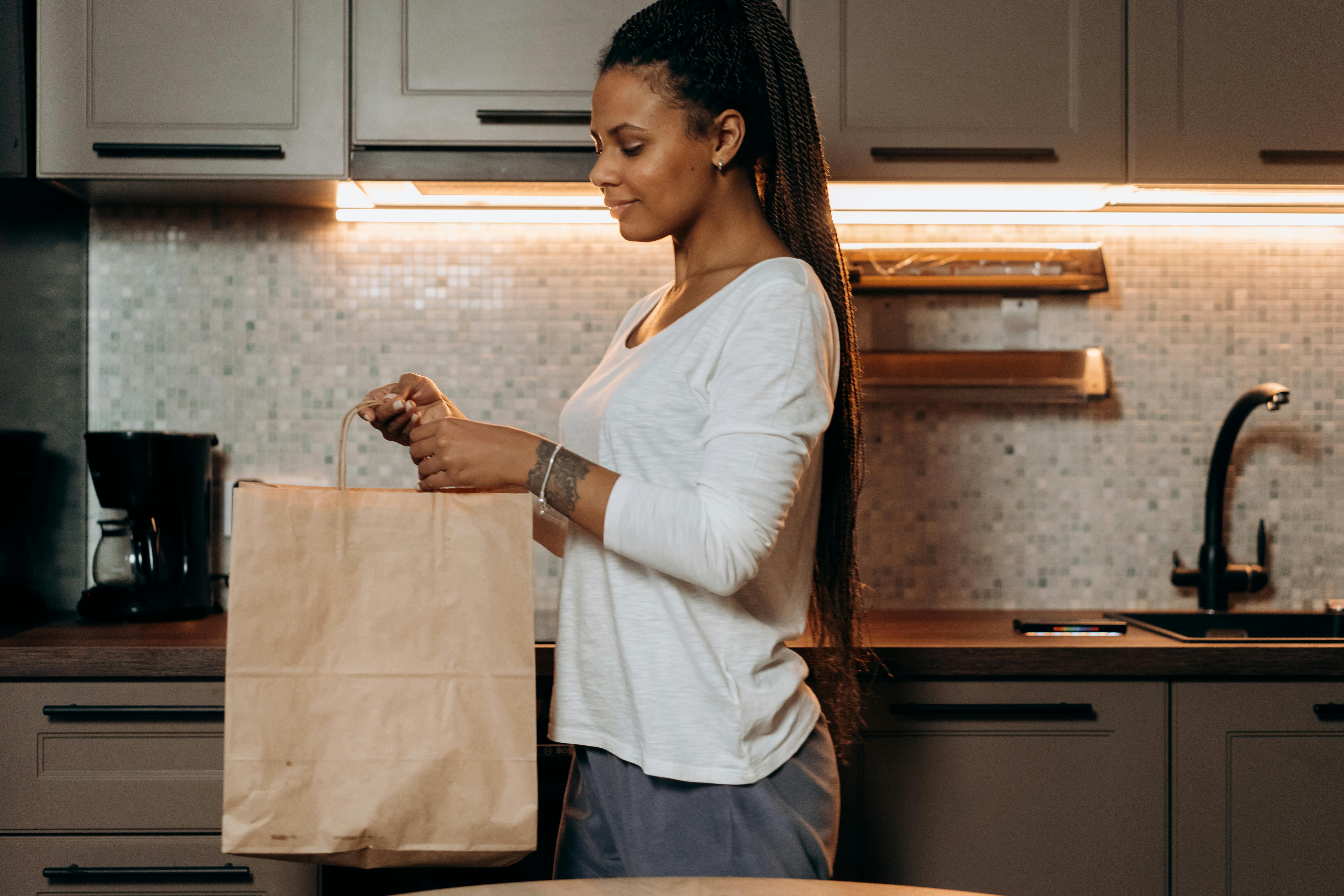
- 3:00 - Portion and cool. Into containers, uncovered until steam stops rising, then lidded and into the fridge or freezer. Portion now, not later - serving from a communal pot each night is how portions creep.
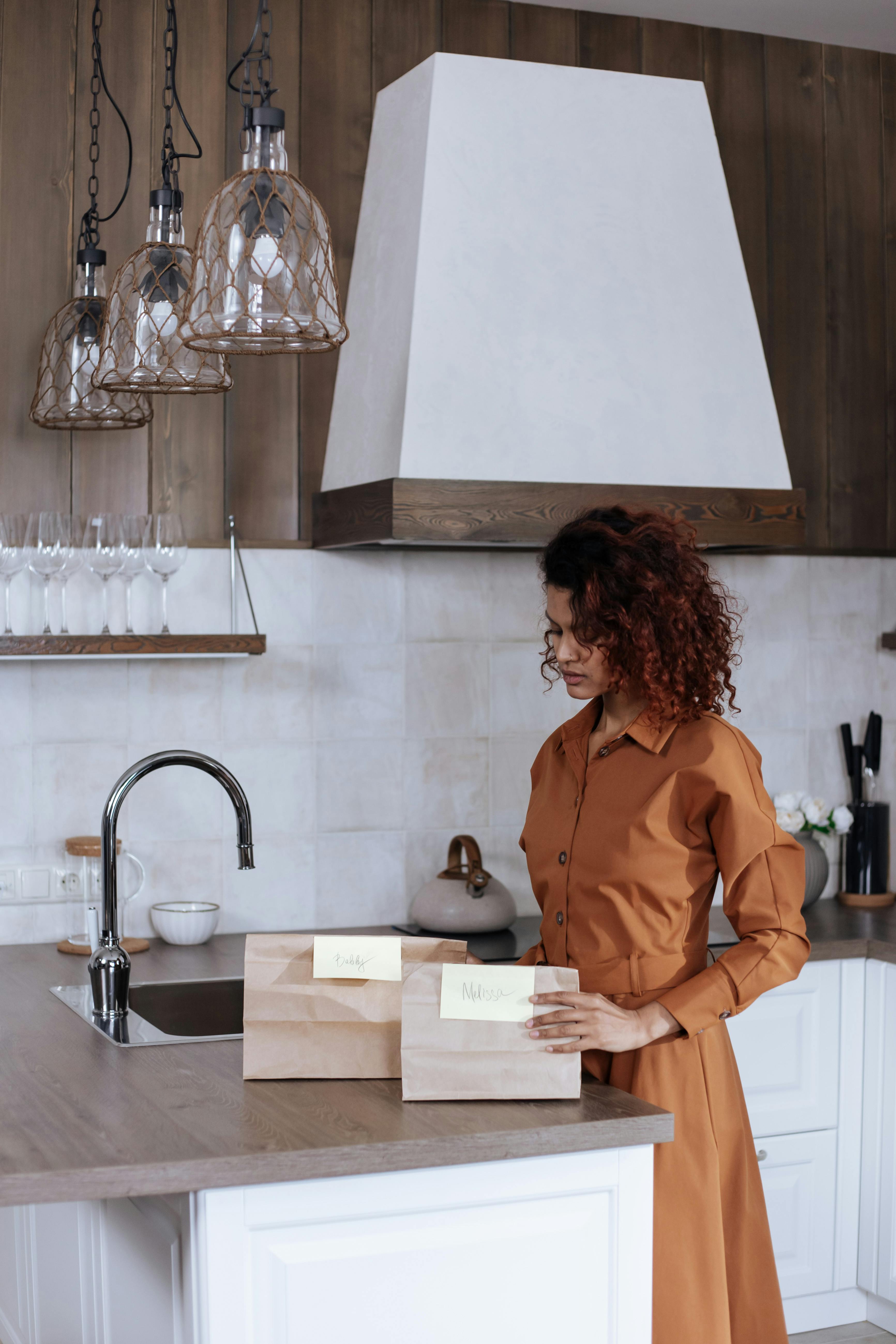
- 3:30 - Label. Contents and date, on tape. In a month you will not remember what is in the unlabelled bag, and it will be thrown away.
What the week looks like
| Day | Dinner | Effort on the night |
|---|---|---|
| Monday | Sunday pot with fresh steamed callaloo and roast provisions | 5 minutes |
| Tuesday | Sunday pot with cabbage and carrot, plus rice | 5 minutes |
| Wednesday | Rice and peas from the pre-cooked peas, with seasoned chicken from the freezer | 25 minutes |
| Thursday | Steamed fish from the freezer with okra and green banana | 20 minutes |
| Friday | Ackee and eggs, or whatever needs using before the weekend | 15 minutes |
| Saturday | Soup, absorbing every vegetable and provision that is nearly gone | 30 minutes, mostly unattended |
Friday is the important one and it is the day most meal prep systems omit. A deliberate use-it-up meal at the end of the week is what stops half the vegetables becoming waste, and it is the reason this system saves money rather than merely reorganising it.
Food safety in a warm kitchen
- Two hours, not four. The general rule is that cooked food should not sit at room temperature more than two hours. In a kitchen at 30 degrees, treat it as one.
- Cool fast, then cover. Putting a hot covered pot straight into the fridge warms everything else and cools the centre slowly. Spread into shallow containers, leave uncovered until the steam stops, then lid and refrigerate.
- Three to four days in the fridge. Beyond that, freeze. Freezing on day one is better than freezing on day three.
- Reheat once, properly. To steaming hot throughout, not merely warm. Repeated cycles of reheating and cooling are where problems accumulate.
- Plan for the power going out. Keep the freezer full - a full freezer holds temperature far longer than a half-empty one. Bottles of water fill the gaps and double as ice. Keep the door shut during an outage; a full freezer left closed will hold safely for around 48 hours.
- When in doubt, throw it out. The cost of a wasted portion is a fraction of the cost of a night of food poisoning.
What freezes and what does not
| Freezes well | Freezes poorly |
|---|---|
| Stews, curries, stew peas | Anything fried - it goes soggy |
| Soups, without the dumplings | Cooked green banana - turns grainy |
| Cooked red and gungo peas | Salad and raw cut vegetables |
| Seasoned raw meat and fish, frozen flat | Cut fresh fruit, except for smoothies |
| Cooked ackee | Boiled dumpling - acceptable but not good |
| Cooked rice, cooled quickly | Anything with a lot of dairy in the sauce |
| Roast provisions | Callaloo, once dressed |
| Bammy, uncooked | Bammy, fried |
Making it stick
The failure mode is always the same: an ambitious first Sunday, seven identical containers, and boredom by Wednesday. The fix is to prep components rather than finished meals. A pot of stew, a tray of provisions and a batch of rice is not a week of the same dinner - it is a set of parts that goes together differently each night, particularly if the vegetable is cooked fresh.
Start with three days rather than seven. A three-day system you repeat every week beats a seven-day system you abandon in a fortnight, which is the same principle that governs every other part of eating well.
Frequently asked questions
How long does cooked food last in the fridge in Jamaica?
Three to four days at 4 degrees or below, which is the same as anywhere - but the margin for error is smaller here because kitchens are warmer and power cuts happen. Cool food quickly, get it into the fridge within two hours of cooking, and reheat properly to steaming hot rather than merely warm.
Is meal prep actually cheaper?
Substantially. Cooking a large pot cuts the cost per serving, lets you buy the cheaper larger packs, and removes the daily decision that ends in bought lunch. A household spending on box food five days a week will typically halve that line by cooking a Sunday pot.
What Jamaican foods freeze well?
Stews, curries, soups, stew peas, cooked red peas, seasoned raw meat, ackee once cooked, and cooked rice if cooled quickly. Ground provisions freeze acceptably once cooked. What does not freeze well is anything fried, cut fresh fruit, salad, and cooked green banana, which turns unpleasantly grainy.
How do I stop meal prep getting boring?
Prep components rather than complete meals. A pot of stew, a tray of provisions and a batch of rice can be assembled six different ways. Cook the vegetable fresh each night - it takes four minutes and it is what makes the plate feel new.
Do I need special containers?
No, but glass or hard plastic with a proper seal will outlast the thin takeaway boxes and will not warp in a microwave. The thing that matters more is portioning at the point of cooking rather than serving from the pot each night.