Tips for Reducing Supermarket Food Waste
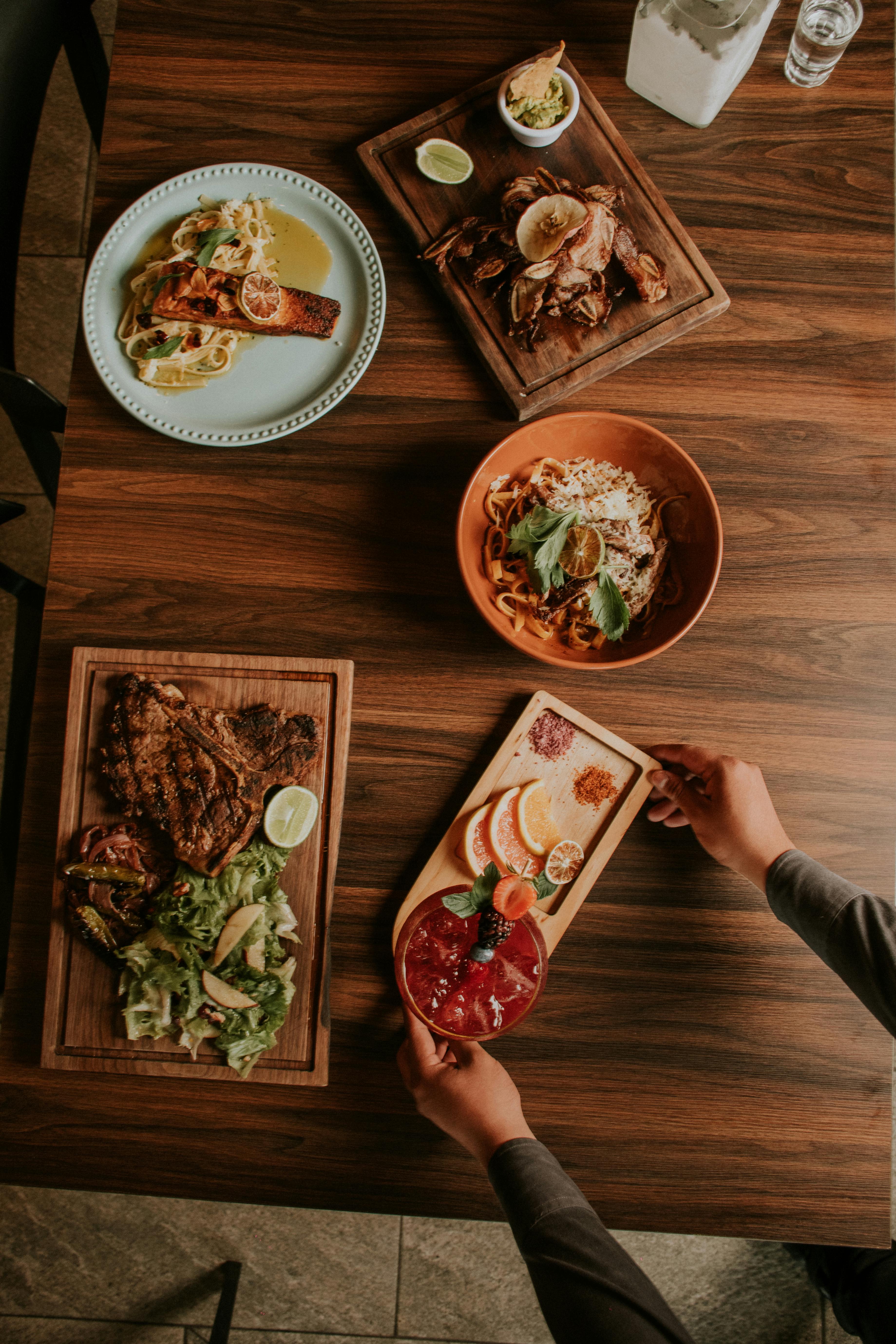
For a Caribbean supermarket, food waste is one of the largest controllable costs on the P&L and one of the least visible. It does not show up on a dashboard the way labour or rent does. It hides inside shrink, inside markdowns, inside the dumpster at the back of the store. Across Massy Stores, PriceSmart, Hi-Lo, MegaMart, Tru Valu, JTA and the hundreds of independent supermarkets across Jamaica, Trinidad and Tobago, Barbados, the Bahamas and the OECS, the numbers are consistent: shrink runs between 2 and 6 percent of food sales, and food waste is the single biggest contributor.
This guide is a practical playbook for cutting that waste. It is built around what actually works in Caribbean supermarkets - smaller average store sizes than US retailers, hotter and more humid climate that accelerates spoilage, higher dependence on imports, and a customer base that is increasingly price-sensitive. Every tactic below is sequenced from easiest to hardest, and from highest impact to lowest, so a store manager can start at the top and work down.
Why supermarket food waste is uniquely expensive in the Caribbean
A US supermarket that throws away a pound of imported chicken is throwing away a US-grown bird with a US$1.50 cost of goods. A Caribbean supermarket throwing away the same pound is throwing away the US cost plus shipping, plus local handling, plus refrigeration energy on a high-tariff grid, plus a higher pro-rata cost of rent in a smaller store with thinner volume. The cost per kilogram of waste is significantly higher in the region.
Add the climate: most Caribbean stores operate in 26 to 32 degrees C ambient temperatures with high humidity. The shelf life of fresh produce, dairy and bakery is shorter than in temperate retail. That same shelf life pressure is also why the upside of waste reduction is bigger here than in colder regions - small operational changes produce larger dollar returns.
Step 1: Measure shrink by department, not just at store level
Most Caribbean supermarkets report shrink as a single number. That is enough to know there is a problem; it is not enough to fix it. The first step is to break shrink down by department: produce, bakery, deli, meat, dairy, frozen, packaged grocery.
For most stores in the region, the breakdown will look something like this: produce 4-7 percent of department sales, bakery 5-10 percent, deli 3-6 percent, meat 2-4 percent, dairy 1-3 percent, packaged grocery less than 1 percent. Once you see this clearly, the priority order writes itself.
If your point-of-sale system cannot generate shrink by department, run a manual 30-day audit. Have each department head record what is thrown away every day, by approximate weight and category. That data, even rough, is enough to make the next decisions.
Step 2: Tackle produce first
Produce is the largest source of supermarket food waste almost everywhere, and the Caribbean is no exception. Four tactics, in order:
Buy in smaller, more frequent quantities. Most Caribbean produce buyers order from a fixed weekly delivery schedule, often inherited. Switch to two or three smaller deliveries per week for high-spoilage items - leafy greens, tomatoes, bananas, papaya, soft fruit. The inventory carrying cost is the same; the spoilage loss is meaningfully lower.
Use a markdown ladder. The day before a produce item hits its visible spoilage point, mark it down 30 percent and move it to a dedicated discount table near the entrance to the produce section. Day-of, mark it down 50 percent. End of day, donate. Many Caribbean shoppers actively look for these tables. The dollar recovered on a 30 or 50 percent markdown is dollar recovered; the alternative is zero.
Front-of-store ugly produce. Cosmetically imperfect mangoes, sweet potatoes, breadfruit, plantain and other ground provisions are routinely rejected from the main display because they do not meet visual standards. They are still completely good to eat. Create a low-price "perfectly imperfect" section that sells these at a discount. Customers love it. Suppliers love it because it absorbs second-grade inventory. Margin per unit is lower but margin per kilogram of supply is higher because nothing is binned.
Repurpose into prepared foods. Tomatoes nearing the end of their shelf life become an in-store salsa or pasta sauce. Bananas going soft become banana bread in the bakery. Pineapple becomes prep for a juice bar. This is the highest-value path because it lifts produce out of fresh and into prepared, where margins are higher.
Step 3: Tighten the bakery cycle
In-store bakery is the second-largest waste category in most Caribbean supermarkets. Three things drive it: over-production at the start of the day, lack of an end-of-day plan, and inherited recipes that were sized for higher foot traffic than the store now sees.
The fix is sequencing. Bake in two or three smaller batches across the day instead of one large morning batch. Yes, it means slightly more staff time, but the waste reduction is dramatic. A second batch baked at 2pm sells through the evening rush; that same volume baked at 6am would have been on the shelf for 12 hours and lost half its value by closing.
For end of day, two channels: a 50 percent markdown table for whatever is left at the last hour of trading, and a surplus rescue listing through a platform like Last Bite for what does not move on the markdown. The bakery surplus bag is one of the most reliable category sellers across the entire Caribbean food rescue space, so listing is essentially free revenue.
Donate what remains. Most Caribbean cities have at least one homeless feeding programme or church-affiliated food bank that will collect end-of-day bakery items.
Step 4: Standardise the deli and prepared foods playbook
Deli and prepared foods have a different waste profile from produce. The cost of goods is higher per unit, and the shelf life is artificially short because of in-store food safety rules. Two things help:
Smaller hot bar windows. Most Caribbean supermarkets run a hot bar from morning to evening. Run it in two shorter shifts - lunch 11am to 2pm, dinner 5pm to 7pm - and refill in between. Less holding time, less waste, fresher product.
Repurpose unsold deli into next-day prepared. Yesterday's roast chicken becomes today's chicken salad. Yesterday's vegetables become today's soup. This is a hot bar operations practice from larger Caribbean supermarkets like PriceSmart and Massy that translates directly to smaller stores. The food safety constraints are well known; train staff on them.
Step 5: Get smarter about cold chain and date management
Caribbean supermarkets pay a heavy refrigeration cost because of the climate. That same refrigeration determines how long dairy, meat, fish and prepared foods last. Tactical wins:
Cold chain audit. Check that all walk-in coolers, display cases and freezers are holding correct temperatures consistently. A single under-performing case can quietly cut shelf life by 30 percent for everything in it.
FIFO discipline. First in, first out. Sounds obvious. In practice, in busy Caribbean stores with a small staff, new stock is often loaded onto the front of the shelf and older stock pushed to the back. Rotate properly. Daily.
Date check rounds. Have one staff member do a daily morning round across produce, dairy, deli, meat and bakery and identify everything within 48 hours of best-before. That stock goes onto the discount table or markdown trolley before it loses commercial value.
Step 6: Build a structured markdown programme
Ad-hoc markdowns - a manager wandering through and marking individual items - are slow and inconsistent. A structured programme is much better:
- One dedicated "final price" trolley or table near the entrance, with a clear sign explaining what it is.
- Standard markdown tiers: 30% off at three days from best-before, 50% off at one day, 70% off on the day.
- A daily 11am route across the store to fill the trolley.
- A weekly review of what sold, what did not, and adjustment of the markdown timing.
Caribbean shoppers respond strongly to this. Many will time their weekly shop to coincide with the markdown trolley refill. That is fine - it is incremental traffic, and it is converting waste into revenue plus loyalty.
Step 7: Use a surplus rescue platform
For everything that does not sell on the markdown trolley by the end of the day, the next stop is a surplus rescue platform. A supermarket can list a mixed bag of bakery, deli, produce and packaged items as a single surprise bag for a fixed price (J$1,500, TT$60 or BB$25 are good price points), and customers reserve and pick up during a defined evening window.
The economics are simple. Anything listed at 30 percent of retail and sold is recovered revenue. Anything listed and not sold goes to donation. The supermarket pays no marketing cost, handles no cash, and has the workflow on autopilot after the first week.
Last Bite is a Caribbean-focused platform that handles exactly this. Read more on the for businesses page, or take our short food survey to register your supermarket's interest in the platform.
Step 8: Train the staff that actually decide what gets thrown away
In every Caribbean supermarket, food waste is decided by a small number of frontline staff - the produce manager, the bakery manager, the deli supervisor, the cashier who marks down at end of day. The store manager sets the policy; these people execute it.
The single highest-multiplier action is to have a clear weekly conversation with these staff about the waste numbers in their department. Share what is being thrown away. Share the recovered revenue from the markdown trolley. Share the surplus bag take-up. Celebrate weeks where waste was lower. The cultural shift, once it lands, is more powerful than any tactic.
Most Caribbean supermarket staff are deeply experienced and genuinely care about doing the job well. Treat the waste conversation as a partnership, not a critique, and the numbers move quickly.
Step 9: Donate what cannot be sold
Across the Caribbean, food rescue charities, homeless feeding programmes, soup kitchens and faith-based organisations operate with chronic supply shortages. Items that are safe to eat but cannot be sold - cosmetically damaged produce, end-of-day bakery, deli items past the in-store hot bar but still within food safety limits - have a real home there.
Build a relationship with one or two local recipients. Standardise a daily pickup or drop-off time. Use food safety logging to track temperature and timing for donated items. Most Caribbean public health departments are supportive of supermarket donation provided basic standards are met.
In several Caribbean jurisdictions there are corporate tax benefits or value-in-kind recognition for documented food donation. Talk to your accountant.
Step 10: Track three numbers monthly
Reporting matters. Pick three metrics and track them every month:
- Total shrink as a percentage of food sales.
- Recovered revenue from markdowns and surplus rescue combined.
- Volume donated, in kilograms.
Over six months, the first should fall, the second should grow, and the third should grow. If any one of them does not move, look at the tactic above that drives it and tighten the operation.
A sample first-month plan
For a Caribbean supermarket starting from zero, a realistic first-month plan looks like this:
- Week 1: Manual shrink audit by department. Set up a single markdown trolley near the entrance.
- Week 2: Implement the 30/50/70 markdown ladder for produce and bakery. List first surplus bag on Last Bite.
- Week 3: Start daily 11am date-check rounds. Build a donation relationship with one local recipient.
- Week 4: Review the four weeks of data with department managers. Adjust prep volumes in bakery based on what was thrown away.
By the end of a month, a typical Caribbean supermarket will see total shrink drop by 0.5 to 1.5 percentage points. On a US$10 million store that is US$50,000 to US$150,000 of recovered revenue per year, year after year, from operational changes that cost almost nothing to make.
The bottom line
Supermarket food waste in the Caribbean is bigger than it looks, more expensive than it looks and more tractable than it looks. The tactics above are not theoretical. They are what already works inside the better-run stores in the region. The path is straightforward: measure first, then attack produce, bakery, deli and cold chain in turn, then layer in markdown discipline and surplus rescue, then donate what is left.
Done properly, this is the highest-return operational change a Caribbean supermarket can make this year. The food already exists. The customers already exist. The infrastructure to connect the two already exists. All that is left is to do it.