TikTok Food Trends 2026: What Is Worth Trying and What Is Nonsense
Food trends have become a genre with its own conventions: an overhead shot, a slightly implausible amount of garlic, a caption promising this changed everything, and a comment section arguing about whether it counts as a real recipe. Underneath the format, some of them are genuinely useful. Most are entertainment. A few are the same eating disorder in new packaging.
Here are twelve trends running through 2026, graded honestly - on whether they taste good, whether they are nutritionally sound, and whether they survive contact with a Caribbean kitchen and a Caribbean grocery bill.
1. Cottage cheese in absolutely everything
Blended into pasta sauce, whipped into dessert, baked into flatbread, frozen into ice cream. The driver is protein - cottage cheese delivers a lot of it for very few calories, which is why it colonised a platform currently obsessed with protein.
Verdict: genuinely good, poorly suited here. The nutrition case is real. The Caribbean problem is price and availability - imported dairy is expensive and cottage cheese is not a staple in most Jamaican supermarkets. Greek yoghurt does a similar job, and so, for a fraction of the price, does a tin of mackerel.
2. Fridge-cleanout dinners
Cook from what is already in the house before shopping again. Sometimes framed as a no-buy week, sometimes as use-it-up cooking, sometimes as a challenge to make a meal from four random items.
Verdict: the best thing on this list. It is the only trend here that directly attacks household food waste, which is a quarter of everything a typical household buys. In Jamaica, where food inflation ran at 9.8 per cent in the year to June 2026, that is real money. Saturday soup has been doing this for two centuries.
3. Cucumber salad, round nine
It returns every summer with a new dressing. This year it is heavier on chilli crisp and fish sauce, with a mandoline still doing most of the work.
Verdict: harmless and quite good. A vegetable-forward dish that people genuinely make is worth having, however many times it comes back. Cucumber is cheap here. Add scotch bonnet and lime and it stops being an import.
4. Dense bean toast
Mashed beans on thick toast, heavily seasoned, usually with an egg on it. It arrived as a joke about the phrase dense bean salad and turned into a genuine staple.
Verdict: excellent, and already Jamaican. Beans are the cheapest protein and fibre available. Stew peas on hardo bread is the same idea with a longer history and better seasoning.
5. Protein-maxxing
Protein added to everything - coffee, ice cream, water, cereal, chips. The packaged version of a genuine nutritional insight.
Verdict: right idea, wrong products. Most people, particularly those losing weight or over sixty, benefit from more protein. Almost nobody needs to buy protein water to get it. Eggs, red peas, chicken back and tinned mackerel deliver it for a fraction of the price of anything with a macro claim on the label.
6. Cold girl and cold boy dinners
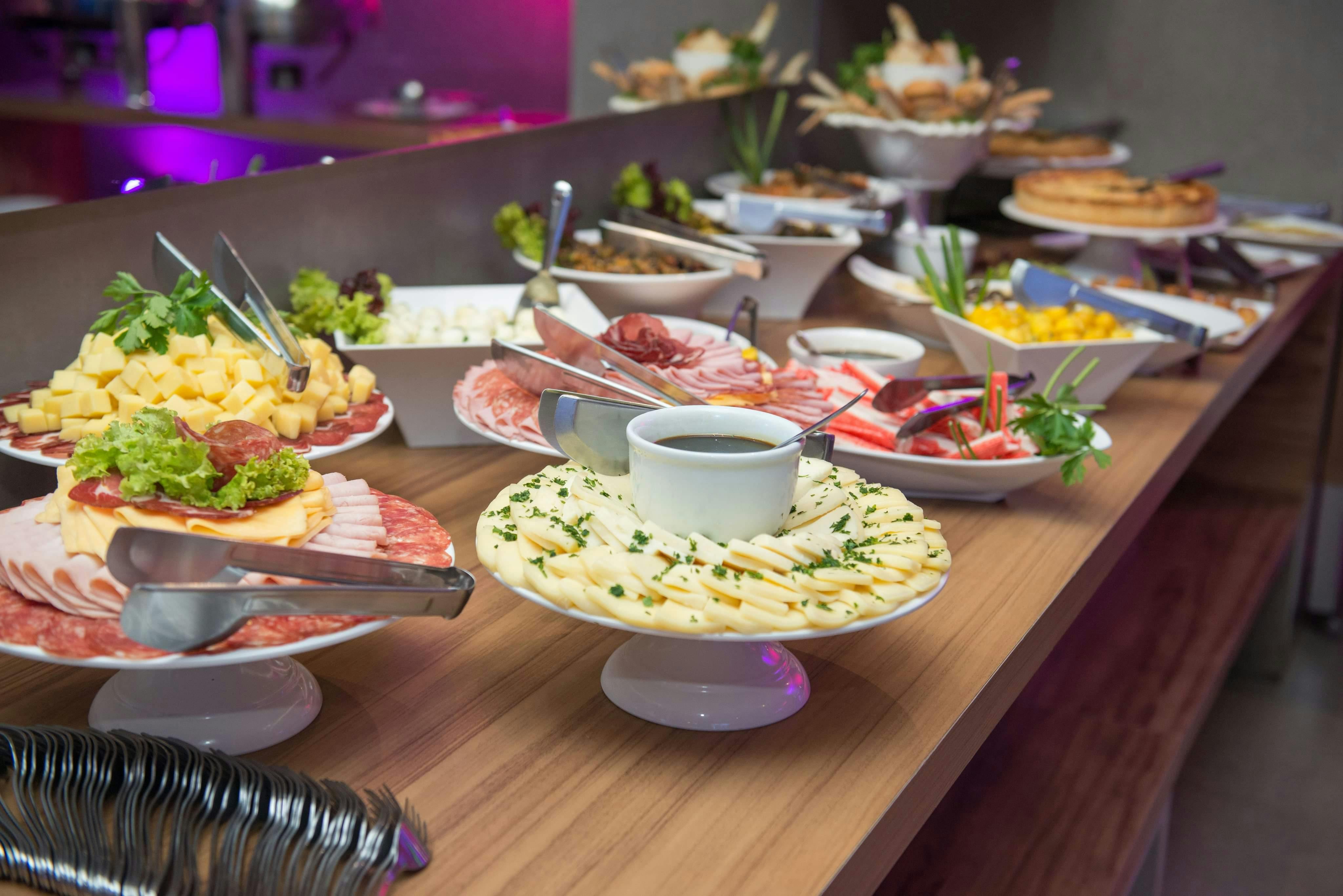
No cooking at all. A plate assembled from whatever is cold in the fridge - cheese, fruit, crackers, olives, cold meat, pickles.
Verdict: fine, with a caveat. Assembly beats takeaway on cost and usually on nutrition, and in Caribbean heat not turning on the stove has obvious appeal. The caveat is that these plates skew heavily towards processed and salted items and light on vegetables. Fruit, cucumber, tomato and a boiled egg fix it.
7. Air fryer everything
Now less a trend than a fact of the kitchen. The 2026 version is air fryer versions of foods that have no business being air fried, which is where the entertainment comes from.
Verdict: genuinely useful here. It reheats a patty properly, crisps plantain with almost no oil, and does not heat the whole kitchen - which in August matters. It also uses substantially less electricity than an oven, which matters on a Jamaican light bill.
8. Swamp soup and ultra-green blended soups
Large volumes of dark leafy greens blended into a thick savoury soup, sold as a way to eat an implausible quantity of vegetables in one bowl.
Verdict: good idea, familiar execution. This is callaloo soup with a rebrand. It genuinely does get a lot of vegetables into a person who would otherwise not eat them.
9. Girl dinner, still going
A plate of snacks presented as a meal. Has been criticised for normalising undereating and defended as an honest depiction of how people actually eat.
Verdict: depends entirely on the plate. Cheese, fruit, nuts and a boiled egg is a meal. Three crackers and a glass of wine framed as dinner is not, and the version that trends is usually closer to the second. Watch for the ones where the joke is how little food it is.
10. Chilli crisp and hot honey on everything
Two condiments that have thoroughly escaped their original cuisines and now appear on pizza, fried chicken, eggs, ice cream and fruit.
Verdict: fun, and Jamaica got there first. Sweet-hot is not a new discovery here. A jerk marinade with brown sugar and scotch bonnet is the same idea with a couple of centuries of head start.
11. Fibremaxxing
The successor trend to protein-maxxing: deliberately loading fibre into every meal, driven by gut microbiome content.
Verdict: sound, and cheap to do here. Most people genuinely under-eat fibre and the health association is well supported. Ground provisions, red peas, okra, callaloo and fruit deliver it without a single supplement. One caution: increase gradually and drink more water, or the first week is unpleasant.
12. Detox, cleanse and reset content
Juice cleanses, colon resets, seven-day detoxes, liver flushes. Rebranded roughly every eighteen months.
Verdict: avoid. Your liver and kidneys perform detoxification continuously and are not improved by juice. These plans work by being low-calorie and often laxative, which loses water and nothing else. Where they cause real harm is in normalising extreme restriction as a wellness practice.
The scorecard
| Trend | Tastes good | Nutritionally sound | Works in Jamaica |
|---|---|---|---|
| Fridge-cleanout dinners | Depends on you | Yes | Yes - and cheapest |
| Dense bean toast | Yes | Yes | Already exists here |
| Fibremaxxing | Yes | Yes | Yes |
| Air fryer everything | Yes | Neutral to good | Yes |
| Cucumber salad | Yes | Yes | Yes |
| Ultra-green blended soups | Acquired | Yes | Yes - it is callaloo soup |
| Chilli crisp and hot honey | Yes | Neutral | Yes |
| Protein-maxxing | Varies | Right idea, wrong products | Use local protein instead |
| Cottage cheese everything | Yes | Yes | Expensive and hard to find |
| Cold girl dinner | Yes | Depends on the plate | Yes |
| Girl dinner | Yes | Frequently not | Yes, with care |
| Detox and cleanse | No | No | No |
What is actually driving all of this
- Grocery prices. The rise of use-it-up cooking, freezer content and no-buy weeks is an economic story wearing an aesthetic one. People are being squeezed and the content follows.
- Protein and fibre as the two literacies. Whatever else is going on, the platform has taught a large number of people the two nutrients that most reliably improve an ordinary diet. That is not nothing.
- Anti-perfection. The polished recipe video has lost ground to the ugly, real, slightly chaotic plate. This is a good development for people who cook and a bad one for brands.
- The diaspora effect. Caribbean, West African and South Asian cooking are increasingly setting trends rather than receiving them, which is a genuine shift in who gets to define what is interesting.
Frequently asked questions
What are the biggest TikTok food trends in 2026?
High-protein reworkings of ordinary foods, fridge-cleanout cooking, cottage cheese in everything, the endless cucumber salad cycle, dense bean toast, cold-girl and cold-boy dinners, air fryer everything, and a strong current of low-waste cooking driven by grocery prices rather than by environmentalism.
Are TikTok food trends healthy?
Some are genuinely good - high-protein swaps, fridge-cleanout cooking and vegetable-forward salads all point in a sensible direction. Others are nutritionally neutral entertainment, and a few are actively bad, particularly anything framed as a cleanse, a detox or an extreme restriction dressed up as a challenge.
Why do food trends keep repeating?
Because the platform rewards recognisable formats. A trend that already worked gets remade with one variable changed, so cucumber salad returns every summer with a different dressing. It is a feature of how the recommendation system distributes attention, not a sign that anyone ran out of ideas.
Which food trend saves the most money?
Fridge-cleanout cooking, without much competition. Cooking from what you already have before shopping again directly attacks household food waste, which for a typical household is a quarter of everything bought. Nothing else on the list comes close in financial terms.
Sources
- Statistical Institute of Jamaica - Consumer Price Index, June 2026
- World Health Organization - Healthy diet fact sheet
- Reynolds A, et al. Carbohydrate quality and human health: a series of systematic reviews and meta-analyses. The Lancet, 2019.
- Trend observations are the author's reading of what is circulating in mid 2026 and are not drawn from platform data.